
Constant notifications, blurred work hours, and always-on expectations can drain energy and focus. A sustainable approach to work and wellness blends clear boundaries, stress regulation, and simple planning routines that fit real schedules—especially for professionals navigating hybrid and digital-heavy days.
Modern work isn’t just “more work”—it’s more switching. When messages, meetings, and micro-requests arrive all day, the brain pays a tax each time it changes context. That tax shows up as mental fatigue, slower decision-making, and lower-quality output.
Work stress is also a real health topic, not a character flaw. For additional background on workplace stress and practical prevention approaches, see resources from NIOSH and the American Psychological Association.
Boundaries are less about willpower and more about signals. A shutdown time, a meeting rule, and a notification window can reduce friction without requiring a full lifestyle overhaul.
Balance improves when demanding tasks land in peak focus windows and shallow tasks get batched. Two protected deep-work blocks per week can outperform a scattered “always available” day.
Stress rarely arrives all at once. It usually whispers first: jaw tension, shallow breathing, tight shoulders, irritability, or a sudden urge to multitask. Noticing early cues turns stress management into a 60-second skill instead of a weekend recovery project.
Consistency is easier when the routine is small enough to repeat on chaotic days. The goal is not a perfect schedule—it’s a repeatable rhythm that prevents drift.
| Moment | Action | Time | Why it helps |
|---|---|---|---|
| Start of day | Choose top outcome + set shutdown time | 10 min | Prevents drift and endless workdays |
| Before focus work | Silence non-urgent notifications | 1 min | Reduces interruptions and task switching |
| Midday reset | Movement + water + posture check | 2 min | Lowers stress load and restores energy |
| After intense task | Short walk or breath cycle | 3–5 min | Improves recovery and sustained performance |
| End of day | Shutdown note + plan first task | 5 min | Closes loops and supports better sleep |
For evidence-based sleep hygiene tips that support recovery, the National Sleep Foundation is a strong reference.
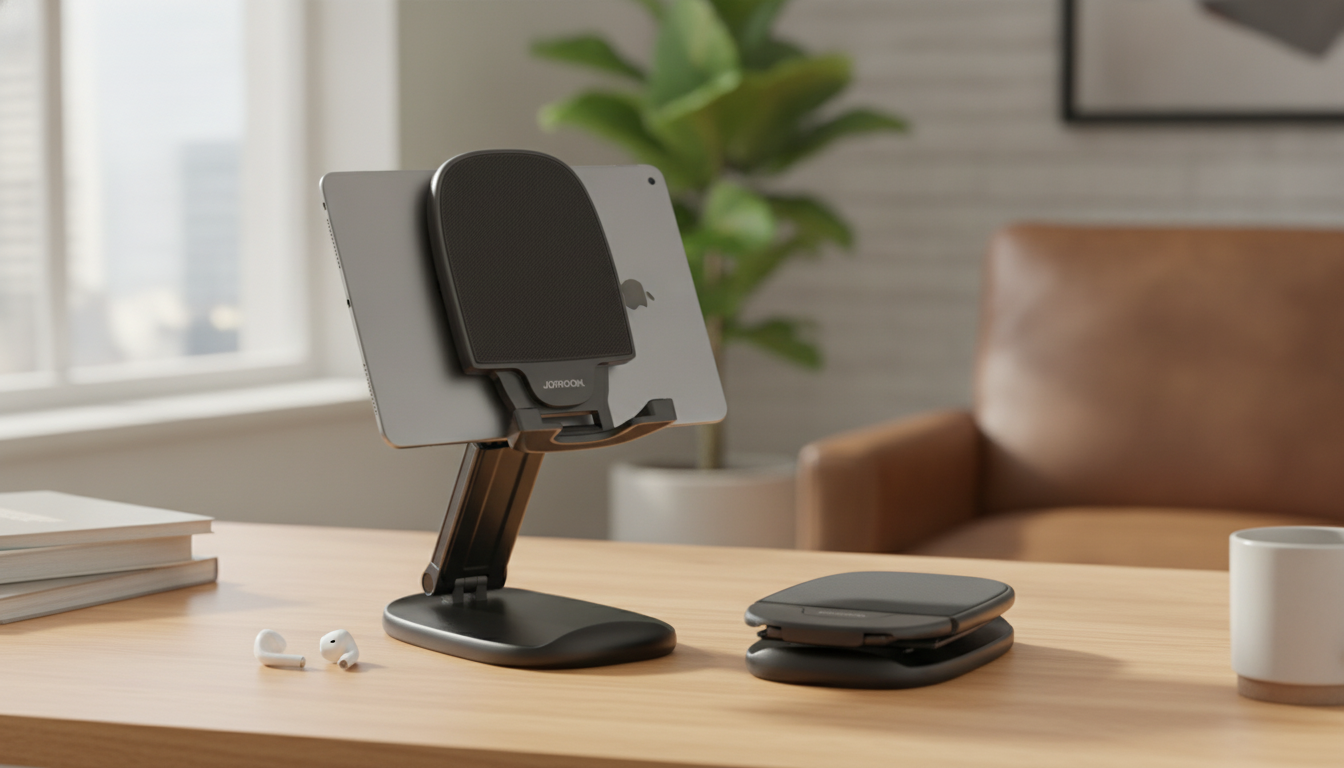
Small environment upgrades can also support attention. A dependable pointing device can reduce friction during focus blocks; consider the Wireless Rechargeable Bluetooth 5.1 Mouse for Apple Devices for a simple desk setup improvement. For long days, keeping a cold drink or a warm wrap nearby can make breaks more restorative—some professionals like a compact option such as the 4L Mini Portable Fridge with Cooling & Warming Function.
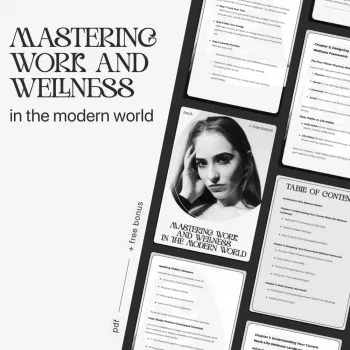
If a ready-to-use structure would help, the Mastering Work and Wellness in the Modern World eBook and stress management planner is designed to support practical planning, boundaries, and stress regulation without requiring a full system overhaul.
Set one or two non-negotiable boundaries (like a shutdown time and meeting rules), then time-block priorities so the day has a clear finish line. Add short recovery breaks during the day and aim for consistency rather than perfection.
Use 60–120 second resets: a slow-exhale breathing cycle, a posture and shoulder release, or a brief walk to change sensory input. Batching communication and doing a quick midday movement-and-hydration reset also lowers stress load fast.
Yes—prompts and templates reduce decision fatigue, so it’s easier to repeat small routines daily. The biggest payoff comes from quick daily check-ins plus a weekly review to adjust what isn’t working.










Leave a comment