Women’s Casual Lace-Up Sneakers for Comfortable Everyday Walking
Comfortable walking sneakers should feel supportive from the first step, stay stable on varied surfaces, and pair easily with everyday outfits. The best women’s casual lace-up sneakers balance cushioning, structure, and breathability—without feeling clunky or overly “performance.” Below is a practical guide to the features that matter most, how to dial in fit for walking comfort, and how to keep your everyday pair feeling good over time.
What Makes a Good Everyday Walking Sneaker
A reliable daily sneaker is built to handle real life: commuting, errands, long store aisles, and neighborhood walks. Focus on these core qualities:
- Cushioning that absorbs impact without feeling overly soft or unstable, so your feet feel protected on hard sidewalks.
- A secure lace-up fit that reduces heel slip and prevents toe pressure as you move and your feet warm up.
- A supportive midsole and stable base for long periods of standing, quick turns, and uneven pavement seams.
- Breathable upper materials to help manage heat and moisture during warm days or long indoor walking.
- A grippy outsole pattern that feels confident on store floors, sidewalks, and light outdoor paths.
Health organizations frequently emphasize proper fit and supportive footwear as part of everyday foot comfort; for general guidance, see resources from the American Podiatric Medical Association (APMA) and the American Academy of Orthopaedic Surgeons (AAOS).
Comfort and Support Features to Prioritize
“Comfort” can mean different things depending on your foot shape and daily routine. These features tend to make the biggest difference for casual walking and all-day wear:
- Arch support: Choose a shape that matches your foot type. If you use orthotics or prefer upgraded support, look for sneakers with removable insoles so you can swap them out.
- Heel and collar padding: A softly padded collar can reduce rubbing and improve lock-in, especially on longer walks.
- Toe box space: Your toes should have room to wiggle. This matters more later in the day when feet can swell slightly.
- Flexibility in the right place: The shoe should bend at the ball of the foot, not fold in the middle like a taco. Proper flex supports a more natural step.
- Weight: Lighter sneakers can feel less fatiguing when you’re on your feet for hours.
Fit Checklist: How to Lace and Size for Walking
Even a well-made sneaker won’t feel right if the fit is off. Use this checklist to get the most comfortable, most secure setup:
- Measure both feet and fit to the larger foot; small differences in length or width are common.
- Leave about a thumb’s width between your longest toe and the front of the shoe to avoid downhill toe pressure.
- Use a heel-lock (runner’s loop) lacing method if your heel slips—especially helpful for narrower heels.
- If toes feel cramped, try a roomier toe box or a wider width if available rather than sizing down to “break them in.”
- Test on a hard surface and check for hot spots at the pinky toe and instep; discomfort there rarely improves with wear.
If you’re between sizes, consider when you’ll wear them most. For example, if you walk more in the afternoon or wear thicker socks in cooler months, a touch more room can improve comfort.
Everyday Outfit Pairing Ideas
One of the biggest advantages of casual lace-up sneakers is how easily they fit into a wardrobe. A few simple combinations cover most daily occasions:
- Weekend casual: Straight-leg jeans with a simple tee, sweatshirt, or lightweight sweater.
- Errands and travel: Leggings or joggers with a relaxed hoodie or a utility jacket for an easy, put-together look.
- Smart casual: Clean sneakers with ankle pants and a button-down or knit top—comfortable but polished.
- Warm weather: Sneakers with a casual dress or skirt to stay comfortable while looking intentional.
- Color coordination: Match your sneakers to a belt, bag, or jacket for a quick outfit “anchor.”
Quick Comparison: Everyday Comfort vs. Performance Running Shoes
Everyday Sneaker vs. Running Shoe: Practical Differences
| Feature |
Everyday Walking Sneaker |
Running Shoe |
| Primary use |
Daily wear, errands, casual walking |
Training runs, longer distances |
| Fit feel |
Secure, comfortable, versatile |
Performance-focused, sometimes snug |
| Midsole |
Balanced cushioning and stability |
Often softer/high-stack, higher rebound |
| Outsole |
Durable grip for mixed urban surfaces |
Designed for stride patterns and road traction |
| Style |
Pairs easily with casual outfits |
Sport-forward look |
Care Tips to Keep Sneakers Comfortable Longer
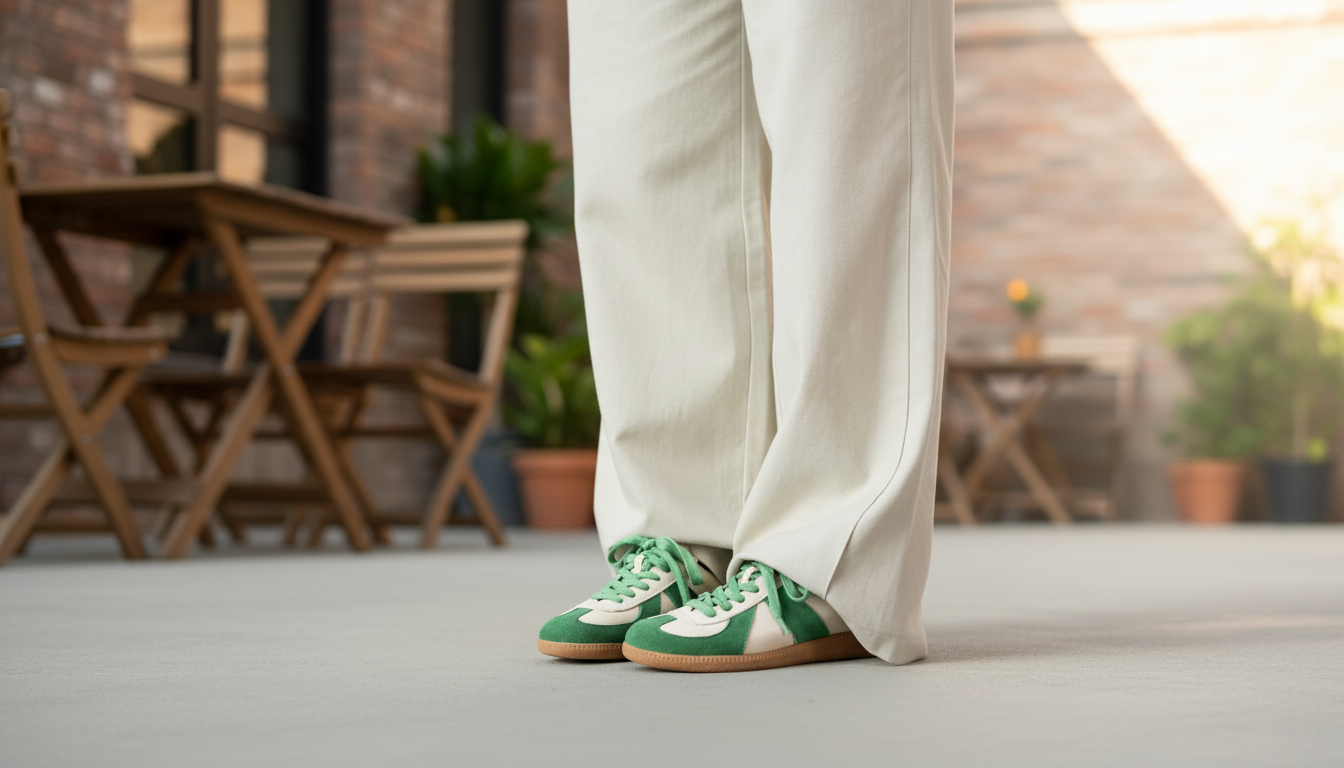
If you’re looking for a straightforward everyday pair, Women’s Casual Lace-Up Sneakers – Comfortable Everyday Walking Shoes are designed for comfortable daily wear with a secure lace-up fit. They’re suited to routine walking, commuting, and casual outfits—ideal when you want a practical option that can handle day-to-day movement.
More In-Stock Finds (Popular Add-Ons)
FAQ
Are lace-up sneakers good for all-day walking?
Yes—when they offer stable cushioning, a secure midfoot hold, and enough toe room. Lace-up closure lets you fine-tune tightness across the foot and can help reduce heel slip.
How should walking sneakers fit at the toe and heel?
Leave roughly a thumb’s width in front of the longest toe and avoid any toe pressure. Aim for a locked-in heel that doesn’t lift or rub, and use heel-lock lacing if needed.
When should everyday walking sneakers be replaced?
Replace them when cushioning feels flat, traction is worn down, or new discomfort shows up during normal walking. Uneven outsole wear is also a sign it may be time to change shoes or adjust support.
Recommended for you











Leave a comment