
Overreacting often happens fast: a trigger, a surge in the body, then words or actions that don’t match long-term goals. A simple, repeatable checklist can slow the moment down enough to choose a calmer response—at home, at work, and in relationships. Below is a clear breakdown of what overreacting looks like, why it’s so common, and how to use a practical emotional control checklist to practice steadier reactions.
Overreacting isn’t “having feelings.” It’s when the intensity or speed of the reaction outruns what the situation actually needs. Common patterns include snapping, spiraling into worst-case thoughts, getting defensive, shutting down, or sending a message too quickly.
The most reliable clue is the mismatch: the reaction creates problems that outlast the original moment—an argument that derails the evening, a tense meeting, or a text you end up regretting.
Why it matters: repeated overreactions can erode trust, raise stress, and reinforce a habit loop where the brain starts expecting threat even in normal friction.
When the brain perceives threat, it prioritizes speed over accuracy. That means reactions can fire before reflection catches up—especially if the body is already stressed. The American Psychological Association notes that stress affects multiple body systems, which can make emotional spikes feel immediate and physical. https://www.apa.org/topics/stress/body
Often, there’s an unmet need under the spike: respect, safety, being heard, fairness, rest, or autonomy. Add hidden amplifiers—poor sleep, hunger, caffeine, burnout, alcohol, multitasking, or unresolved conflict—and a small trigger can feel enormous.
The goal isn’t to feel nothing. It’s to widen the gap between feeling and acting, so the response aligns with values instead of adrenaline.
This sequence is designed to be short enough to use in real moments, not just when you’re calm.
For a simple breathing reset, the NHS offers straightforward options that pair well with this method. https://www.nhs.uk/mental-health/self-help/guides-tools-and-activities/breathing-exercises-for-stress/
| Trigger | Body cue | 10-second reset | Next best action |
|---|---|---|---|
| Tone felt disrespectful | Heat in face; tight jaw | Exhale slowly; relax jaw | Ask for clarification before responding |
| Unexpected change | Racing thoughts; shallow breath | Count 4-in/6-out breathing | Name the change; ask what stays the same |
| Feeling blamed | Chest tightness; urge to argue | Drop shoulders; soften hands | Reflect back what was heard; share perspective calmly |
| Online message upset you | Compulsion to reply fast | Put phone down; 10 breaths | Draft response; wait 20 minutes before sending |
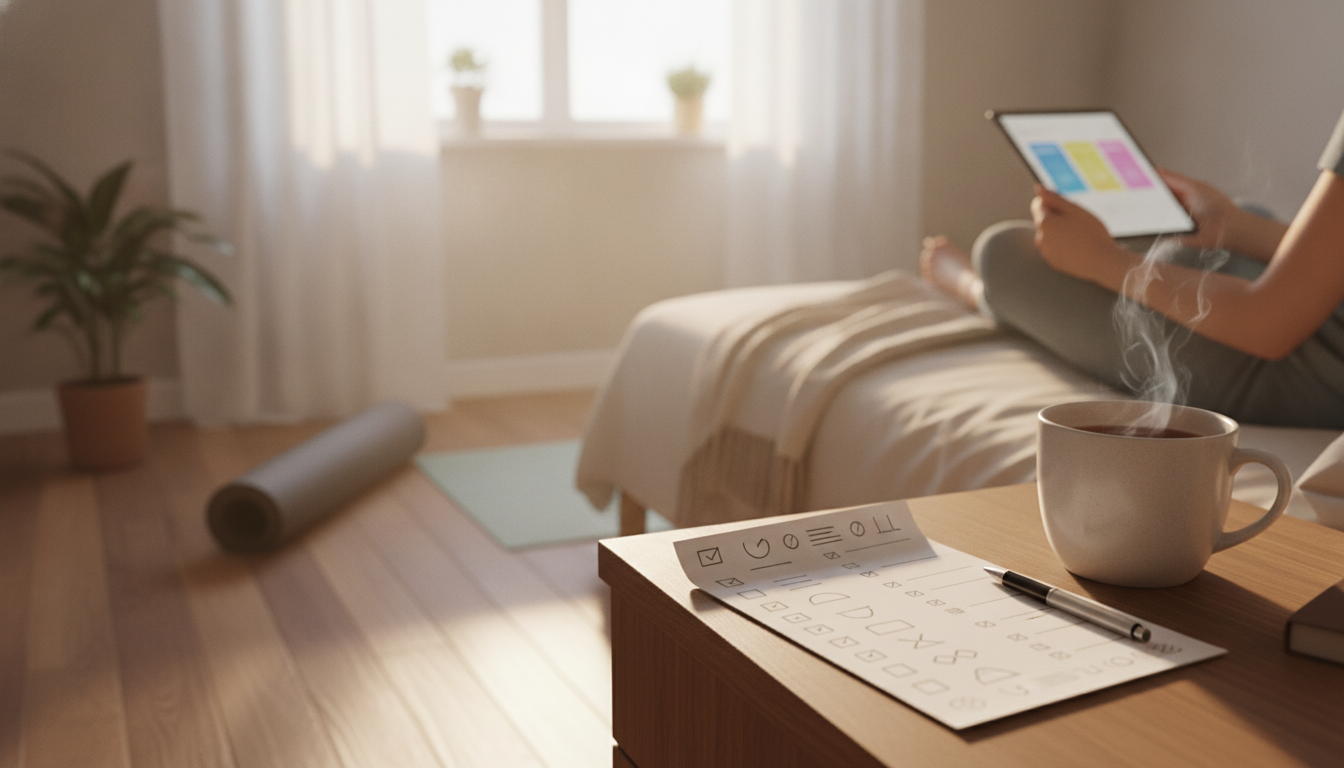
Checklists work best when they’re visible and frictionless. Set it up for success: keep one copy at home and a digital version on your phone for quick access. Then use it in three time windows:
If guilt or shame shows up after an overreaction, self-compassion can help you recover faster and try again with more clarity. Greater Good Magazine offers practical self-compassion practices that support healthier repair. https://greatergood.berkeley.edu/topic/self_compassion
If a structured prompt helps in the moment, the Emotional control checklist printable guide (digital download) is designed for quick reference during emotionally charged moments and for reflection afterward. Consistent, small uses tend to work best: one trigger moment handled slightly better each day.
For a smoother print-and-edit setup (especially when you’re updating scripts or keeping a copy at your desk), a wireless rechargeable Bluetooth mouse for easier editing and printing can make quick adjustments feel less annoying—so you’re more likely to keep the habit going.
Because the threat-response system is fast and body-based, it can spike before your logical mind weighs the facts. Regulating your body first (exhale, relax jaw/shoulders) makes it easier to separate facts from assumptions and respond proportionally.
Pause, take a slow exhale, and deliberately relax your jaw and shoulders. Label the feeling (“I’m getting reactive”), then either ask one clarifying question or request a short break to prevent escalation.
Many people notice improvement within a few weeks of daily practice, especially with simple tools like paced breathing and scripted pauses. Progress shows up as faster recovery, fewer escalations, and quicker repairs after a slip.










Leave a comment