
Low-energy days don’t have to derail progress. A better approach is to match tasks to the energy available, reduce friction, and build small wins that restart motivation. Below is a simple, repeatable system—energy budgeting, micro-starts, and recovery habits—so work and personal goals keep moving even when the tank feels nearly empty.
Motivation often follows energy, not the other way around. When energy dips, the brain leans toward immediate comfort and away from effortful focus. That’s why the same task that felt easy yesterday can feel impossible today.
Low energy also amplifies “task cost”: decisions feel heavier, distractions feel louder, and starting feels disproportionately hard. Small obstacles (finding the right file, choosing where to begin, switching tabs) can suddenly feel like walls.
Common hidden drivers include poor sleep, irregular meals, dehydration, long unbroken screen time, stress load, and unclear next steps. If fatigue is frequent or worsening, it’s worth reviewing reputable guidance on sleep needs and fatigue basics from sources like the CDC and NIH MedlinePlus.
A useful reframe: aim for “minimum viable progress” instead of “perfect productivity.” A low-energy day isn’t a day to prove discipline—it’s a day to keep the needle moving.
Energy budgeting means sorting work by effort level so the day doesn’t demand willpower it can’t afford. Instead of forcing deep work when you’re foggy, you pick tasks that fit your current bandwidth.
| Energy level | What it feels like | Best task types | Example actions |
|---|---|---|---|
| Low | Foggy, slow start, easily distracted | Admin, setup, organizing, review | Rename files, prepare materials, list next steps, schedule one task |
| Medium | Able to focus in short bursts | Drafting, routine work, learning | Write a rough draft, do one practice set, complete a standard workflow |
| High | Clear, driven, can handle complexity | Deep work, planning, hard decisions | Solve the toughest problem first, plan the week, tackle critical conversations |
When energy is low, the goal is not to feel ready—it’s to begin in a way that’s nearly frictionless. A “2-minute ignition” is a tiny action that makes starting undeniable.
If the first two minutes feel almost too easy, that’s the point. You’re rebuilding momentum, not showcasing intensity.
For remote work or study setups, small tools can reduce switching costs. A smooth, reliable pointer device can make short sprints feel less irritating—especially when your patience is low—like the Wireless Rechargeable Bluetooth 5.1 Mouse for Apple Devices.
If hydration and snack consistency are recurring issues during long sessions, keeping essentials within arm’s reach can reduce friction. A compact option like the 4L Mini Portable Fridge with Cooling & Warming Function can make it easier to stick with steady, low-effort nutrition.
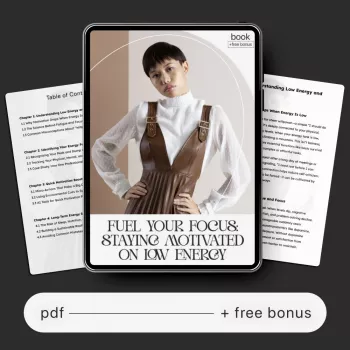
Fuel Your Focus: Staying Motivated on Low Energy (Digital eBook) is designed for low-energy days, with practical strategies that prioritize small wins, clarity, and repeatable routines. It’s a strong fit for students, creators, remote workers, and anyone who wants a realistic way to keep moving without relying on constant high drive.
Use action-first tactics: a 2-minute ignition, a single smallest next step, and a time-boxed sprint. Motivation often shows up after visible progress, not before it.
Match tasks to low-energy tiers: prep, organize, review, and tiny completions that remove obstacles for future higher-energy sessions. Meaningful progress can look like clearing the runway, not just “doing the hard part.”
Run a quick diagnostic: if sleep debt or physical fatigue is obvious, prioritize a short recovery break (hydration, movement, or a 10–20 minute nap). If it’s mainly resistance, do one 10-minute sprint and reassess from there.










Leave a comment