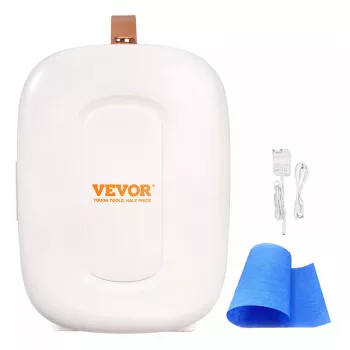
A small portable fridge that switches between cooling and warming can solve everyday storage problems: keeping drinks chilled at a desk, warming a bottle on the go, or protecting skincare from heat. A 4L mini unit is built for convenience rather than bulk storage, so it helps to know what it can (and can’t) do before relying on it for daily routines.
A 4L cooling/warming mini fridge is meant to keep a small set of items at a more stable temperature than the surrounding room. Most models offer two modes: a cooling mode for beverages, snacks, and certain personal-care items, and a warming mode for gentle heat holding.
With 4L of space, expect “personal essentials” capacity—think a few cans, a couple of slim bottles, or a small skincare lineup—rather than full meal prep. It’s best for short-term, convenience storage in tight spaces like bedrooms, offices, dorms, and vehicles.
“4L” describes volume, but real-world fit depends on internal shelves, door bins, and container shape. A tall bottle might prevent the door from closing even when there’s plenty of volume left. If you plan to store something specific (like a particular baby bottle or skincare toner), measure the tallest item first and compare it to the interior height.
Also, portability is usually prioritized over maximum temperature drop. In very hot rooms, many compact units maintain “cooler than ambient” rather than reaching the same temperatures as a kitchen refrigerator.
| Item type | Approx. quantity that often fits | Notes |
|---|---|---|
| 12 oz cans | 4–6 | Depends on shelf/basket design and can height clearance |
| 330–500 ml bottles | 2–4 | Slim bottles fit easier than wide sports bottles |
| Skincare bottles/jars | 6–10 small items | Use leak-proof caps; bag small jars to prevent spills |
| Snack cups or small containers | 2–5 | Stacking may block airflow; leave small gaps |
| Baby bottle (single) | 1–2 | Check bottle height and warming limits before relying on it |
Cooling results vary with ambient temperature, airflow around the unit, and how frequently the door is opened. If the fridge is pushed against a wall or surrounded by clutter, heat can’t escape efficiently—so cooling performance drops.
For the most consistent results, pre-chill drinks or snacks in a main refrigerator, then use the mini fridge to maintain a cool temperature at your desk or bedside. This approach reduces the workload on a compact system and helps it stabilize faster.
Finally, avoid overpacking. Tight packing blocks airflow and can create warm pockets. Leaving small gaps around items helps the internal air circulate and keeps temperatures steadier.
Warming mode is best viewed as gentle warming or short-term holding. It can be handy for keeping a small portion warm for a limited time or maintaining warmth for select personal-care routines where mild heat is preferred.
Common mistake: treating warming mode like a cooker or a long-term hot-hold unit for perishable foods. If something needs to be cooked, reheated rapidly, or held hot for hours, use a proper appliance designed for food safety.
To keep the interior fresh, use sealed containers to limit moisture and odors, and wipe condensation regularly. In a small cavity, even minor spills can create lingering smells quickly.
Perishable foods require safe storage temperatures, and a compact fridge may not consistently meet strict refrigeration targets in hot environments or direct sun. If you plan to store perishables, use a refrigerator thermometer and confirm the internal temperature in the location where it will be used. The USDA offers clear guidance on refrigeration and food safety here: USDA Food Safety and Inspection Service — Refrigeration and Food Safety.
For accurate monitoring, a dedicated thermometer is recommended; the FDA explains why and how to use them here: FDA — Refrigerator Thermometers.
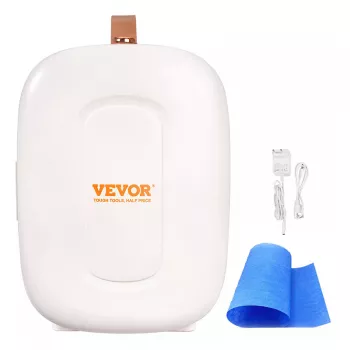
If you want a compact unit sized for personal storage, the 4L Mini Portable Fridge with Cooling & Warming Function is built for exactly that: a few drinks, small snacks, or a curated set of personal-care items. The ability to switch between cooling and warming adds flexibility across seasons and routines, especially when your needs change between daytime work and evening use.
Cooling depends on room temperature, ventilation, and how full the fridge is, so results can vary from one space to another. For best results, pre-chill items in a main refrigerator and use a thermometer to confirm the mini fridge’s actual internal temperature.
Warming mode is generally meant for gentle warming or short-term holding, not cooking or rapid reheating. Avoid relying on it for long hot-holding of perishables unless you can verify safe temperatures with a food thermometer.
Yes—continuous operation is normal for maintaining a stable temperature. Keep the vents clear, wipe dust from airflow areas, and watch for unusual heat, smells, or sudden changes in noise that could signal a problem.










Leave a comment