Road Trip Planning Checklist (Printable + Digital) for a Calm, Ready-to-Go Drive
A well-planned road trip feels effortless: the route is clear, the car is ready, and the essentials are packed before the driveway exit. The easiest way to get that “we’ve got this” feeling is to break prep into small stages—then track each stage with a checklist you can reuse for weekend getaways, family vacations, and long-haul drives.
Start with the basics: dates, travelers, and trip style
Before maps and packing lists, lock in the simple details that shape everything else.
- Confirm travel dates and times, plus a realistic daily driving range. A “6-hour day” can easily become 8 once you add meals, restrooms, and stretch breaks—especially with kids or pets.
- List travelers and roles: primary driver, co-pilot/navigation, snack manager, entertainment lead, and (if needed) pet care lead. Clear roles reduce backseat stress.
- Choose your trip style: scenic detours vs. fastest route; hotels vs. camping; activity-heavy vs. rest-focused. This helps you plan stops that match your energy.
- Set a rough budget for fuel, lodging, food, activities, tolls, parking, and a buffer for surprises like weather changes or a last-minute attraction.
- Write down constraints up front: medications and dosing times, mobility considerations, dietary restrictions, car seat requirements, or work calls that need reliable signal.
Route planning that prevents last-minute stress
Route planning isn’t just “pick a line on the map.” It’s building a plan that still works when the day gets messy.
- Choose a main route and a backup route in case of closures, wildfire smoke, storms, or unexpected traffic.
- Add real-world time for fuel stops, meals, bathroom breaks, and short walks. Mapping apps are optimistic; your passengers are not.
- Save key locations offline (or screenshot them): lodging addresses, trailheads, hospitals/urgent care, and the nearest major towns for each overnight area.
- Check tolls, borders, and permits early. Some parks require timed entry or reservations, and some routes include toll roads you may want to avoid.
- Create a short “must-do” list (1–3 priorities per destination). It keeps the trip meaningful without turning every day into a sprint.
Vehicle readiness checklist (safety before scenery)
- Inspect tires: pressure, tread, and spare tire condition; confirm the jack and lug wrench are present. For tire safety basics, see NHTSA’s tire safety guidance.
- Top off fluids and confirm maintenance is current (oil, coolant, windshield washer fluid, brake fluid as applicable).
- Test lights and signals and replace bulbs if needed.
- Pack an emergency kit: first aid, flashlight, reflective triangles, jumper cables, and a tire inflator.
- Bring charging solutions: car charger, cables, and a power bank so navigation and emergency calls don’t depend on one battery.
Quick road trip prep timeline
| When |
What to do |
Why it matters |
| 7–14 days before |
Confirm route, lodging, and key reservations |
Avoid sold-out stops and last-minute price spikes |
| 3–7 days before |
Vehicle check, update maps, build packing list |
Reduces breakdown risk and packing gaps |
| 1–2 days before |
Grocery/snack run, charge devices, stage luggage |
Prevents rushed mornings and forgotten essentials |
| Departure day |
Final walk-around, tire pressure, documents check |
Catches issues before the first mile |
Packing categories that cover nearly every trip
- Documents: ID, insurance, registration, reservations, park passes, emergency contacts, medication list.
- Clothing: layers, rain protection, comfortable shoes, sleepwear, swimwear (if relevant), laundry bag.
- Toiletries: travel-size basics, sunscreen, bug repellent, hand sanitizer, wipes, lip balm.
- Food & hydration: refillable water bottles, cooler plan, easy snacks, reusable utensils, trash bags.
- Comfort: neck pillow, small blanket, sunglasses, earplugs, backup glasses/contacts.
- Electronics: phone mount, charging cables, camera, headphones, offline entertainment.
- Kids/pets: car seats, toys, games, pet leash, collapsible bowls, pet waste bags, comfort items. For extra family travel tips, review CDC guidance on traveling with children.
On-the-road organization: keep the cabin functional
Use a printable or digital checklist to prevent repeat mistakes
Road trip planning checklist download option
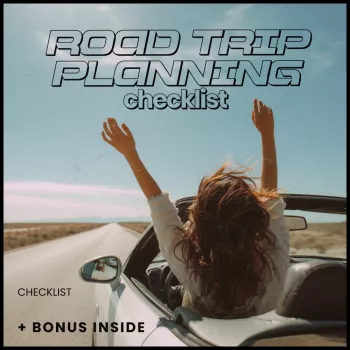
If you want a ready-to-use system that works for family trips, couples’ getaways, solo drives, and multi-stop itineraries, try a reusable checklist you can print or use digitally: Road Trip Planning Checklist Printable (Digital Download). It’s designed to reduce forgotten items and last-minute errands by organizing tasks into clear categories.
Departure-day final sweep (10-minute routine)
- Do a quick walk-around: tires, lights, and anything left on the roof or behind the car.
- Confirm phones are charged and charging cables are accessible (not buried under luggage).
- Verify documents: ID, insurance, registration, reservations, and payment methods.
- Set navigation to the first stop (coffee, gas, or lunch), not the final destination, so the start feels simple.
- Share your route and ETA with a trusted contact, especially for remote areas. For broader readiness reminders, see the U.S. Department of Transportation emergency preparedness resources.
FAQ
What should be on a road trip planning checklist?
Include route and reservations, vehicle readiness items, key documents, packing by category (clothes, toiletries, food, electronics), an emergency kit, and a quick departure-day final sweep.
Is a digital checklist better than a printable one for road trips?
Digital is easier to edit and reuse on the go, while printable is great for visible planning at home. Many travelers use both: print for staging and digital for updates.
When should road trip packing start?
Start 3–7 days before to build your list and handle vehicle prep, then stage items 1–2 days before. Do a short final check on departure day to catch last-minute essentials.
Recommended for you













Leave a comment