
A child-friendly bookshelf can do more than hold books—it can make cleanup easier, encourage independent choice, and keep playrooms or learning centers from feeling cluttered. A 4-tier wooden design with front-and-back access helps rotate favorites, organize by theme, and keep covers visible for early readers. If you’re building a calmer reading nook or organizing a busy classroom, a two-sided shelf can turn “Where does this go?” into “I’ve got it.”
Traditional shelves often force kids to crowd around one side, and spines-only storage can be tough for pre-readers. A front-and-back kids bookshelf solves both problems with a layout that supports how children naturally browse and move through a room.
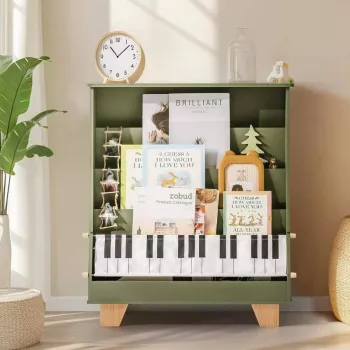
If you’re shopping for a shelf designed around these habits, the 4-Tier Kids Wooden Bookshelf with Front & Back Storage for Playrooms and Classrooms is a practical starting point for playrooms, homeschool setups, and early learning centers.
A good shelf becomes even better with a simple setup plan. The goal is to make choosing easy, returning even easier, and browsing enjoyable for different ages.
For classroom extensions, you can pair book themes with hands-on materials nearby. For example, a counting or number story display works well alongside the Montessori Wooden Arithmetic Board to connect read-aloud time to independent practice.
The best systems are the ones children can run themselves. A two-sided shelf helps because it naturally creates “display” and “storage” roles—without needing complicated rules.
In toddler areas, fewer choices often mean better focus. Keep a small, rotating selection on the front and place less-used items in back. If your space includes infants or teething toddlers, a nearby basket with soothing options (separate from the book shelf) can help keep the reading zone calm—like the Handmade Animal Teethers for supervised quiet-time routines.
For more on early literacy routines that fit children’s developmental needs, resources from HealthyChildren.org (American Academy of Pediatrics) and NAEYC’s Developmentally Appropriate Practice can be helpful when planning reading spaces and daily schedules.
| Consideration | Why it matters | Practical tip |
|---|---|---|
| Cover-forward display | Helps young children choose books independently | Keep 6–10 books displayed; rotate weekly |
| Front-and-back access | Reduces crowding and supports shared spaces | Place as a divider between two activity zones |
| Tier count and spacing | Affects what fits (board books vs. larger picture books) | Group oversized books on a single tier |
| Cleaning and maintenance | Busy rooms need fast wipe-downs and durable finishes | Use bins nearby for quick resets and returns |
| Stability and placement | Prevents accidents in energetic spaces | Keep heavy items low; anchor if recommended |
Use the front for current favorites and weekly themes so kids can browse by cover. Keep the back for overflow books, library returns, and teacher/parent-managed materials that don’t need constant access.
Yes, when the display is curated and rotated. Keep a smaller selection out front and store extras in the rear tiers, swapping books weekly or by unit/theme.
Limit how many books are available at once, add picture labels, and reserve the lowest tier for daily-use items. A simple return basket next to the shelf also prevents piles from forming.










Leave a comment